HomeContactSearchSite MapMore Information
Web Content Solutions


Support Login
    
     SOLUTIONS    >Content    >Hosting   >eCommerce   >Off-Site Customer Support   >Consultation

DMOZ::Policies and Procedures

DMOZ Policies and Procedures

Becoming an editor

There are restrictions imposed on who can become an ODP editor . The primary gatekeeping mechanism is an editor application process wherein editor candidates demonstrate their editing abilities, disclose affiliations that might pose a conflict of interest, and otherwise give a sense of how the applicant would likely mesh with the ODP culture and mission. A majority of applications are rejected, but reapplying is allowed and sometimes encouraged.

Editing model

ODP's editing model is a hierarchical one. Upon becoming an editor, an individual will generally have editing permissions in only a small category. Once they have demonstrated basic editing skill in compliance with the Editing Guidelines, they are welcome to apply for additional editing privileges, in either a broader category, or in a category elsewhere in the directory. Mentorship relationships between editors are encouraged, and internal forums provide a vehicle for new editors to ask questions.

Over time, senior editors may be granted additional privileges which reflect their editing experience and leadership within the editing community. The most straightforward are editall privileges, which allow an editor to access all categories in the directory. Meta privileges additionally allow editors to perform tasks such as reviewing editor applications, setting category features, and handling external and internal abuse reports. Cateditall privileges are similar to editall , but only for a single directory category. Similarly, catmod privileges are similar to meta , but only for a single directory category. Catmv privileges allow editors to make changes to directory ontology by moving or renaming categories. All of these privileges are granted by staff, usually after discussion with meta editors.

In August 2004, a new level of privileges called admin was introduced. Administrator status was granted to a number of long serving metas by staff. Administrators have the ability to grant editall+ privileges to other editors and to approve new directory-wide policies, authorities that had previously only been available to root (staff) editors. A full list of senior editors is publically available. [9]

Editing guidelines

All ODP editors are expected to abide by ODP's Editing Guidelines.[10] These guidelines describe editing basics: what types of sites may be listed and which may not; how site listings should be titled and described in a loosely consistent manner; conventions for the naming and building of categories; conflict of interest limitations on the editing of sites which the editor may own or otherwise be affiliated with; and a code of conduct within the community. Editors who are found to have violated these guidelines may be contacted by staff or senior editors, have their editing permissions cut back, or lose their editing privileges entirely. ODP Guidelines are periodically revised after discussion in editor forums.

Site submissions

One of the original motivations for forming Gnuhoo/Newhoo/ODP was the frustration that many people experienced in getting their sites listed on Yahoo!. However Yahoo! has since implemented a paid service for timely consideration of site submissions. That lead has been followed by many other directories. Some accept no free submission at all. By contrast the ODP has maintained its policy of free site submissions for all types of site — the only one of the major general directories to do so.

One result has been a gradual divergence between the ODP and other directories in the balance of content. The pay-for-inclusion model favours those able and willing to pay, so commercial sites tend to predominate in directories using it. Whereas a directory manned by volunteers will reflect the aims and interests of those volunteers. The ODP lists a high proportion of informational and non-profit sites.

Another consequence of the free submission policy is that the ODP has enormous numbers of submissions. The ODP now has approximately two million unreviewed submissions, in large part due to spam and incorrectly submitted sites. So the average processing time for a site submission has grown longer with each passing year. However the time taken cannot be predicted, since the variation is so great: a submission might be processed within hours or take several years.

..

DMOZ::Policies and Procedures Related Sites

[READ MORE : DMOZ::Policies and Procedures]

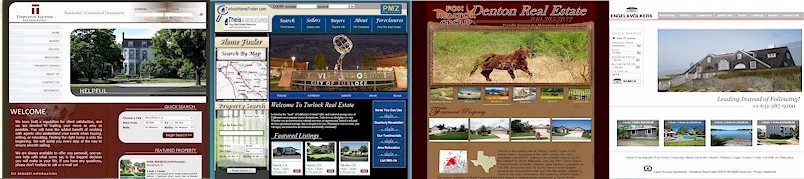
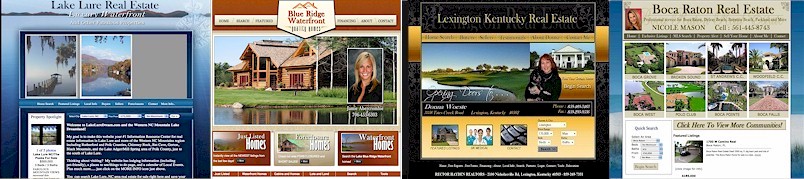
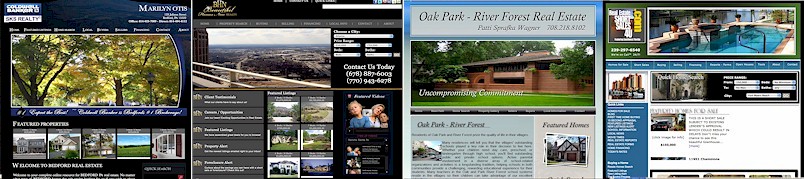
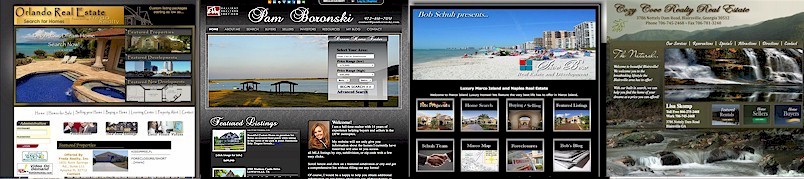
Real Estate Web Design Real Estate Web Design

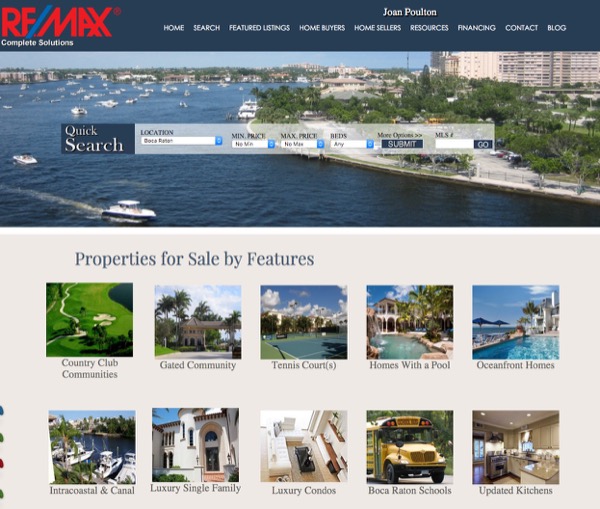
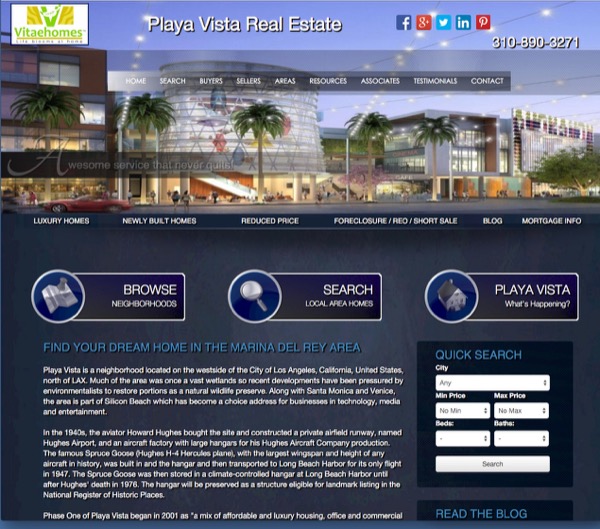
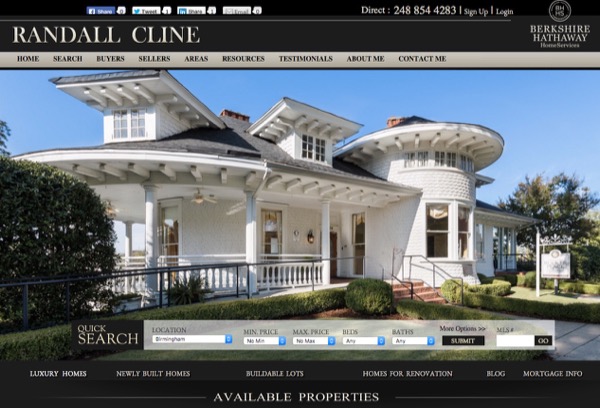
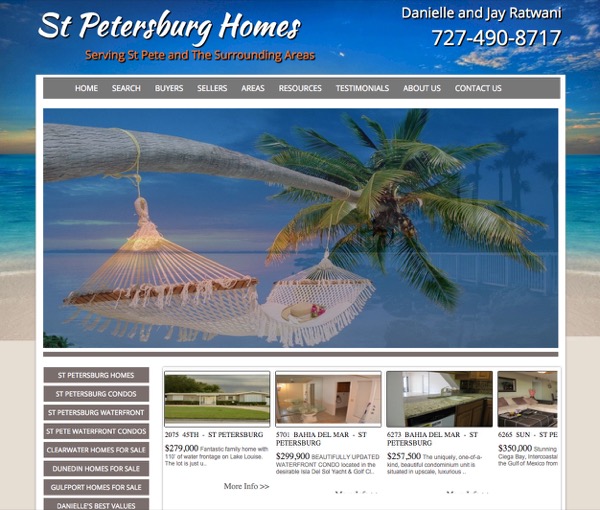
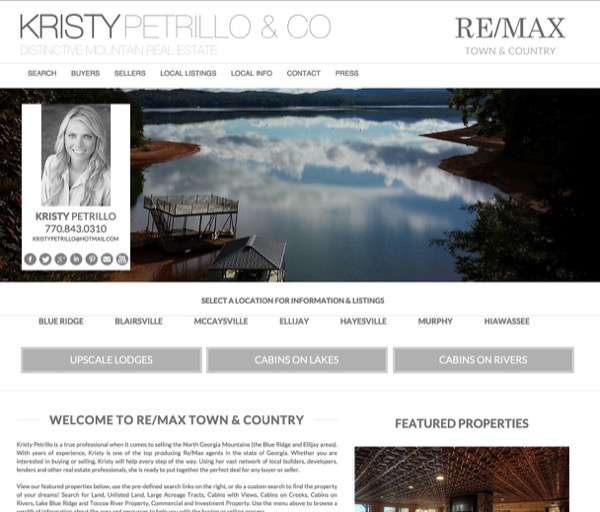
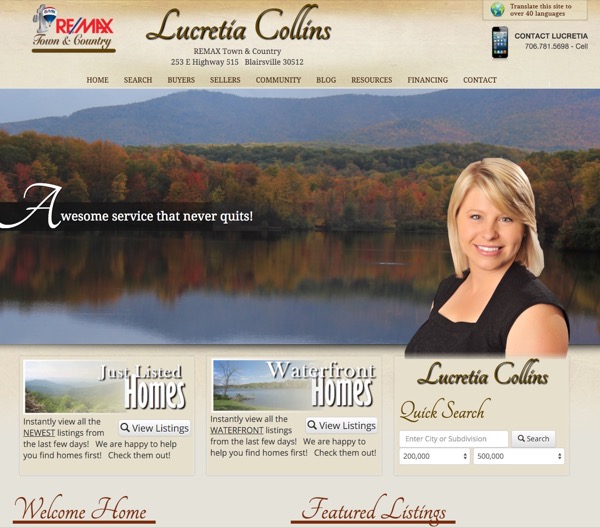
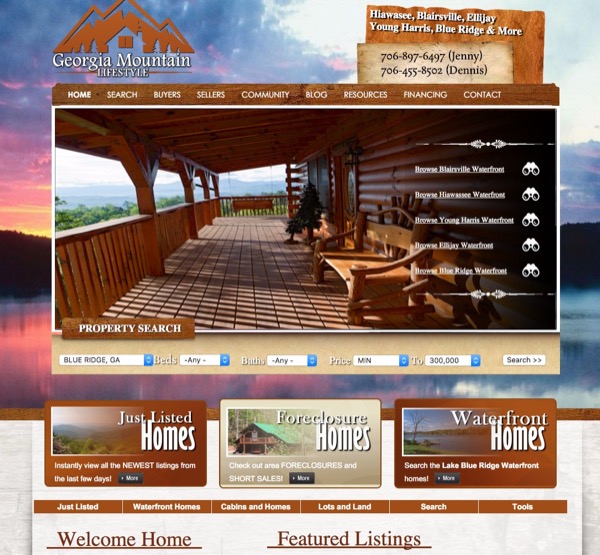
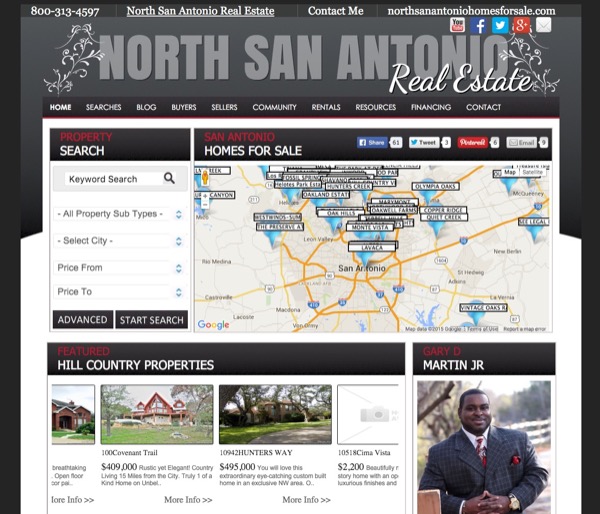
Real Estate Web Site Design is a great place to start for Real Estate Web Design Real Estate Web Site Design is what Web Content Solutions specializes in.
If you are looking for Real Estate Web Design Real Estate, you've come to the right place.
Our Real Estate Web Design Real Estate web site design specializes in Real Estate Web Design real estate web design.
Thank you for taking the time to visit my Real Estate Web Design Real Estate web site.
Feel free to use my Real Estate Web Design real estate home search. Search Real Estate Web Design Real Estate Now!