Powered by Olark
Real Estate Web Site Design - Site Map Real Estate Term::Land Trust
HomeContactSearchSite MapMore Information
Web Content Solutions


Support Login
    
     SOLUTIONS    >Content    >Hosting   >eCommerce   >Off-Site Customer Support   >Consultation

Real Estate Term::Land Trust

Real Estate Term:Land Trust

A land trust is an organization established to hold land and to administer use of the land according to the charter of the organization. A land trust is a useful way to manage complex divisions of the Bundle of Rights that people can own in real estate, and can be used to manage something as large and complex as a multi-state REIT, or as common and small as a single-family home.

Investment trust companies hold property for investment purposes and non-citizens who want long-term access to land in Mexico often enter real-estate trust agreements, called fideicomiso, with Mexican citizens, but land trust more often refers to a community scale organization. Community land trusts are established to provide low- and middle-income families access to affordable housing and to protect agricultural lands while conservation trusts protect environmentally, historically or culturally valuable places.

Community land trusts

Land trust communities trace their conceptual history to India's gramdans where villages held property in the community interest, and to European and North American land banks, which are quasi-public agencies that invest in land often to help build family farms or to encourage economic development. Residential land trusts emerged in the United States after calls among civil rights leaders in the 1950s and 1960s in the American South for economic reforms to reverse rampant poverty. An Institute for Community Economics was organized in the 1960s to help residential trusts:

Gain control over local land use and reduce absentee ownership

Provide affordable housing for lower income residents in the community

Promote resident ownership and control of housing

Keep housing affordable for future residents

Capture the value of public investment for long-term community benefit

Build a strong base for community action

Residential community land trusts are now widespread in the United States, but seldom gain much notice beyond occasional local news accounts. The Institute for Community Economics in 2004 reported nearly 120 community land trusts of varied sizes in 30 states, the District of Columbia and in five Canadian provinces. While a few earlier trusts faltered, the number of land trusts in North America overall nearly tripled between the 1987 and 2004.

Community trusts don't typically advertise their goals, but rely on community members and word of mouth to attract new residents. In residential land trusts, the community association usually owns land, while their occupants’ own buildings. Trusts usually retain rights to buy buildings from residents who move out of the community. The goal of residential trusts is often to protect housing prices from real estate speculation and gentrification but to allow residents to accrue equity, including sweat equity. Conservation land trusts

Conservation trusts often rely on endowments and large donations to acquire sensitive natural areas or notable landmarks, and purchase land to hold it in perpetual protection as open or green space. Far from locking the land away, though, most land trusts work with community groups, such as the Upper Valley Trails Alliance and the Trustees of Reservations to keep these areas natural beauty available to the entire community.

Since 1891, when the first US land trust was organized, conservation trusts have been established in each of the 50 states, often as a way of protecting open spaces in the path of urban sprawl. Local and regional trusts in California, New York and Montana held the most area among those of states nationwide. One of the earliest land trusts in Illinois is Lake Forest Open Lands Association, founded in 1967. Its Shaw Prairie pre-dates the Industrial Revolution in the U.S.

In October 2002, Property and Environment Research Center published a report by Dominic P. Parker entitled Cost-Effective Strategies for Conserving Private Land. This paper identified numerous ways for operating land trusts more efficiently, pointing out that conservation easements and other tools for land preservation may be less costly than ownership. Sometimes the various rights associated with land ownership are separable. A preservationist organization may, for instance, buy only the extraction rights on a property with oil or minerals, and then rent those rights to extracters on the organization's terms. The terms might include requirements to protect the environment and pay the organization royalties on materials extracted.

..

Real Estate Term::Land Trust Related Sites

[READ MORE : Real Estate Term::Land Trust]

Real Estate Web Design Real Estate Web Design

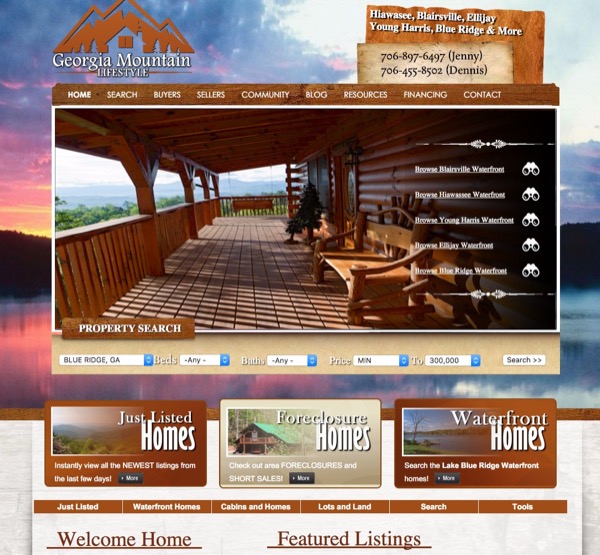
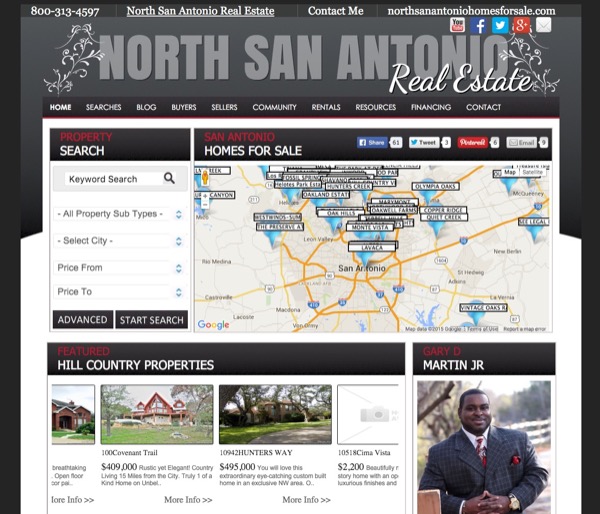
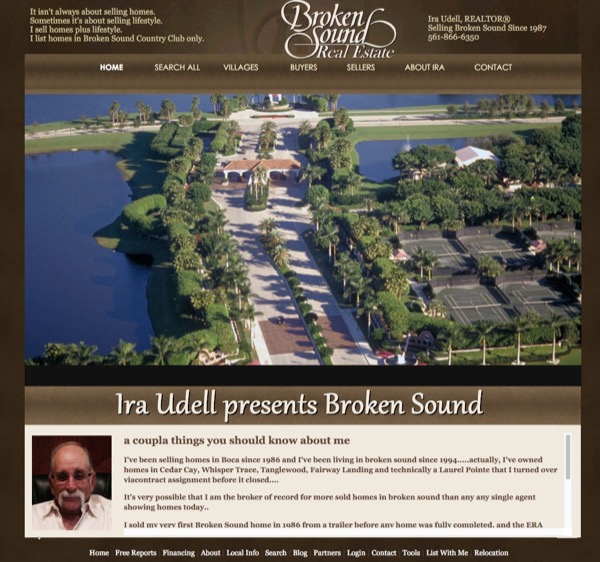
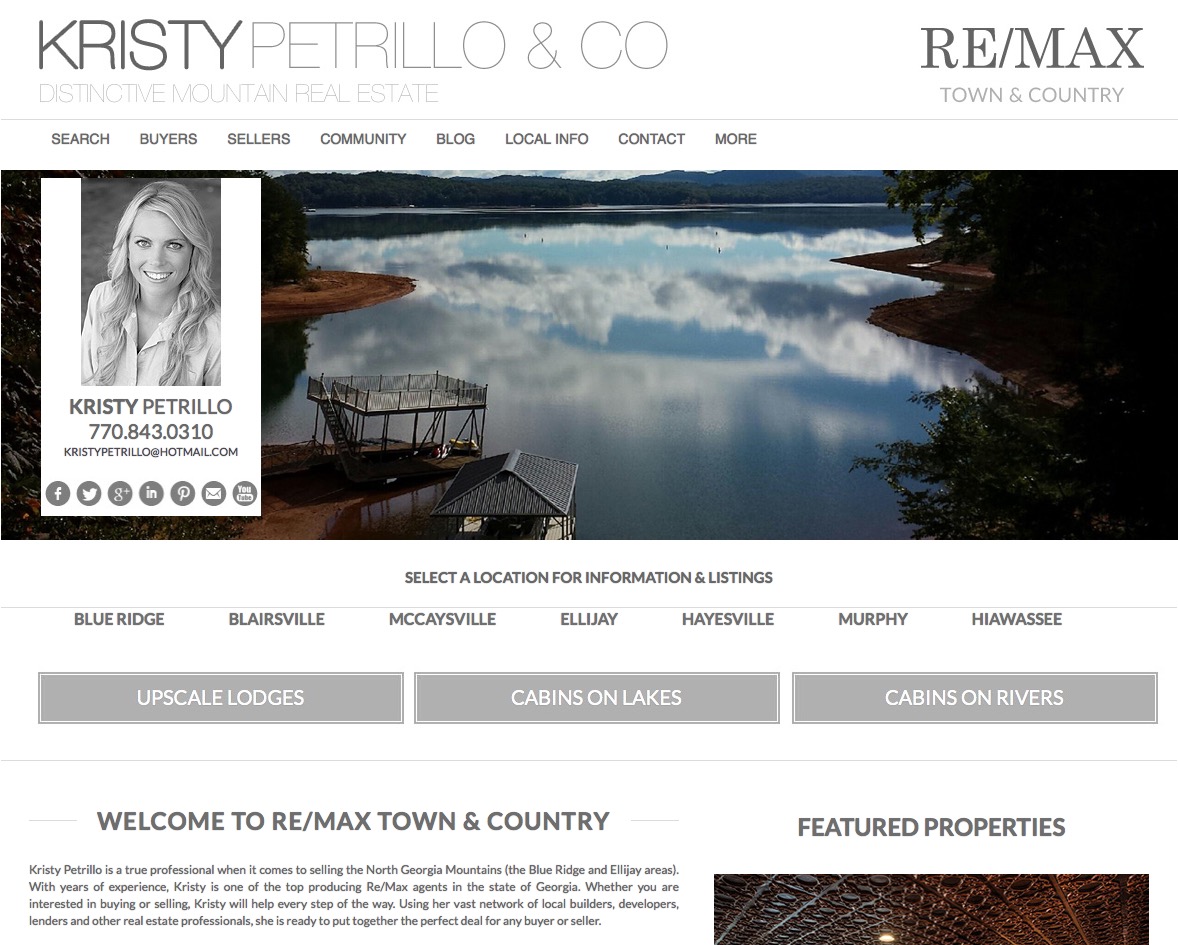
Real Estate Web Site Design is a great place to start for Real Estate Web Design Real Estate Web Site Design is what Web Content Solutions specializes in.
If you are looking for Real Estate Web Design Real Estate, you've come to the right place.
Our Real Estate Web Design Real Estate web site design specializes in Real Estate Web Design real estate web design.
Thank you for taking the time to visit my Real Estate Web Design Real Estate web site.
Feel free to use my Real Estate Web Design real estate home search. Search Real Estate Web Design Real Estate Now!